This year, Westwood is releasing its flagship State of Exploration report in a series of six separate parts. Part 4 – Offshore Exploration Seismic – is the latest in the series to be published.
The fourth report reviews how offshore exploration seismic acquisition has evolved over the last decade considering the volume of data acquired, changes in acquisition technology, funding mechanisms, and who has been acquiring data where, as a leading indicator of future exploration drilling. The analysis is based on data provided by Seisintel.
Westwood’s Wildcat team share key findings from Part 4 in this insight.
Offshore Exploration Seismic
The availability of high quality seismic data is fundamental to every step of the exploration and production cycle. Seismic data is used to understand the geological evolution of a basin and its prospectivity, to identify leads that can be matured into drill ready prospects, to design and operate a well safely, to build a field development plan in the case of a discovery and to monitor production through a field’s lifetime.
On average an exploration well is spudded ~2.5 years after completion of a 3D seismic survey, so analysis of trends in seismic acquisition provides a leading indicator of future exploration drilling activity.
A total of 1,132 3D seismic surveys have been acquired between 2015 and 2025, averaging ~100 surveys per year, although the total number of surveys acquired per year has declined by ~27% between 2015 and 2022 and the number of exploration surveys acquired declined by 65% over the same period.

Figure 1: Global 3D Seismic Surveys by Purpose 2015-2025
Source: Westwood Wildcat, Seisintel
The total area of full fold exploration 3D coverage acquired per year declined almost year on year between 2015 and 2022. In 2024 only ~143000km² was acquired down from ~387000 in 2015, although there was some recovery in 2025.
Ocean Bottom Receiver surveys have been taking a growing share of the market increasing from 7% in 2015 to 36% of the total surveys in 2025, although the majority of these have been around fields in development or production rather than for exploration.
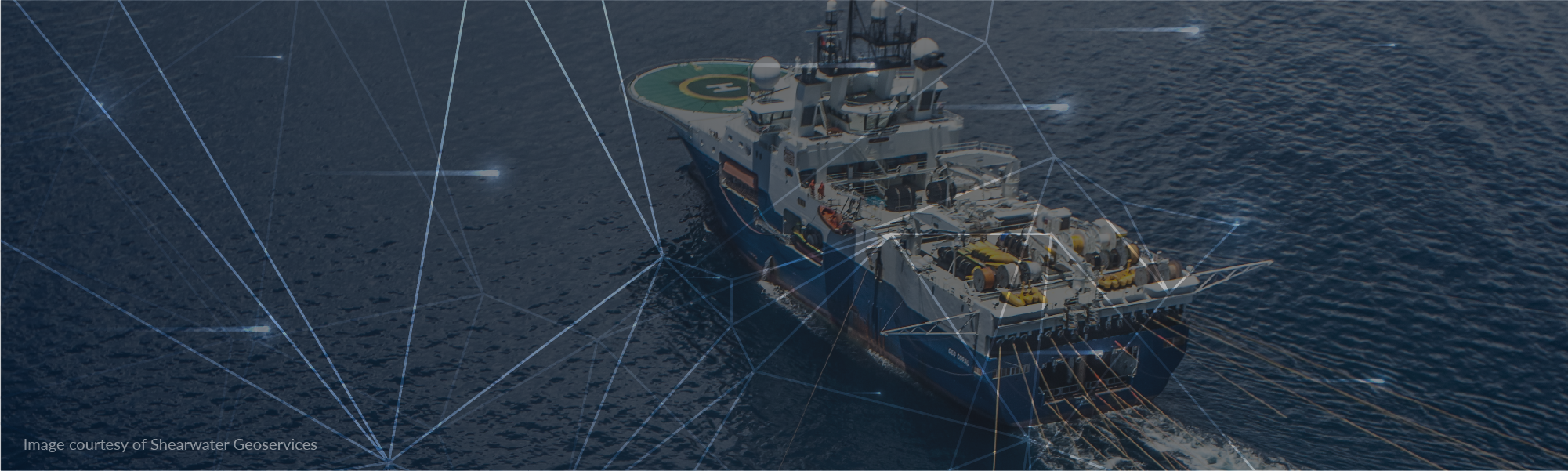
Around 75% of exploration 3D surveys acquired between 2015 and 2024 remain undrilled, as the availability of high quality seismic data more often decreases the chance of success of a prospect than increases it. High impact exploration drilling levels have been relatively steady since the oil price crash of 2014 and if drilling is to recover, then more seismic is likely to be required. Unfortunately as less data has been acquired the number of active streamer vessels has reduced as seismic companies look to maintain utilisation rates and revenue. The number of vessels actively engaged in 3D streamer acquisition has halved, from 49 in 2015 to 25 in 2025. Whilst many older vessels are being taken out of service there has only been one newbuild since 2017, and the median age of the fleet is increasing each year.

Figure 2: Global 3D Seismic Coverage by Purpose 2015-2025
Source: Westwood Wildcat, Seisintel
Over the period 2015-2025 Brazil saw the most data acquired (~132,000km²) followed by Turkey, Egypt, USA and Norway, although exploration marine 3D acquired in USA was entirely acquired using Ocean Bottom Receivers and no exploration streamer data has been acquired in the US Gulf since 2019. Only one exploration 3D survey was acquired in Norway in 2025.
If the current appetite for exploration continues, we may see more data being acquired, but ultimately this may be limited by the size of the fleet and the inventory of streamers available. Significant advances in seismic imaging have been made over recent years, particularly by combing legacy streamer data with new ocean bottom node data and reprocessing of legacy data is likely to continue. Exploration drilling and success will continue to rely on the availability of high quality seismic images to derisk elements of the petroleum system.
The State of Exploration 2026 series provides a comprehensive analysis of conventional high impact exploration globally. It investigates the subsurface drivers behind exploration performance, as well as the competitive landscape, offshore seismic acquisition, recent acreage entries and the wider outlook for exploration.
The report is available to subscribers of Westwood’s Wildcat product. Non-subscribers can purchase the report, in full or in part, here.